Friday, 16 December 2011

Migration from the South

The famine after World War II and the misrule of Sir C P Ramaswamy Iyer incited a large scale migration of people from Travancore (South Kerala) to this area. The migration continued well into the 1970s and 80s. A vast majority of these migrants were Christians who had a completely different social and agricultural background. These hard working people brought new agricultural practices to this area. They introduced cash crops like rubber and daily staples like tapioca to the region.
The migrants also brought a new attitude to the region, one that challenged the established Janmi-Kudian feudal system. The immigrants bought large tracts of land outright from the Janmies and putdown permanent crops heralding an era of prosperity for the area. The immigrants, despite their cultural and social difference, soon became an integral part of social fabric.
Transportation

Roads in this area were initially built to transport timber from neighboring areas. Until 1949, people depended on these roads. In 1949, primarily because of the farmers’ agitations and the Munayankunnu firing incident, a new road was built from Vellore to Pulingome. This road was built to facilitate the movement of Malabar Special Police (M.S.P) in an effort to contain the Communist movements led by leaders such A.K Gopalan and E.K Nayanar.
Rivers in this area lacked passable bridges. The only bridges were suspension bridges secured using iron cables stretched across the river banks. Even these were scarce. In rainy season, people had to use rafts made of bamboo (Pandi) for crossing rivers. This unwieldy raft was used by the students of the area to cross rivers to get to schools and back.
Despite the grim economic and social conditions, this area was noted for its communal amity.
Early Farming Methods

History
Cherupuzha and its surrounding areas was ruled by many royal dynasties in the past, including the Mooshika Dynasty of Ezhimala, Chirakkal Dynasty of Kolathunadu, Tipu Sultan of the Kingdom of Mysore, before it became a part of the British Raj. The original inhabitants of the area were primarily Hindus. Later on this region gained a sizable Muslim population. The economy was agrarian with strong feudal system - Janmi-Kudiyan system - permeating everyday life.
Feudal overloads or Janmies owned much of the land, which was leased by the farmers or Kudians who paid a portion (normally 2/10th) of their produce as "pattam" for the 'privilege' of working the land. Generally the lease was for a period of 12-16 years. Farmers were not allowed to cultivate permanent crops, dig wells or cut down the trees on the land. If any permanent crop such as pepper was planted on the land, the income from the crop went to the landlord after six years, depriving farmers of any income from such cash crops. Janmies gave 10 cents of land to farmers to build a house.
This region also has a sizable number of people belonging to tribal communities such as Mavilar, Pulayar, and Vettuvar who lived by hunting animals and collecting edible roots and fruits from the plentiful forests in the area. Under the Janmi-Kudiyan feudal system, tribals were treated much like slaves.


"Kottathalachi Mount....
Malayattoor of Malabar”......


"Kottathalachi Mount"Kottathalachi Mount is a famous Christian pilgrim centre in north Kerala. It is located at around 2500 feet above the sea level. On Good Friday of 1958, the holy cross was installed at “Kottathalachi Mala” by Fr. Mathew Mannuramparambil. Since then the first Sunday after Easter is being celebrated here by thousands of pilgrims every year. At present there is road facility till the hill basin. Kottathalachi is known as the “Malayattoor of Malabar”......
Malayattoor of Malabar”......


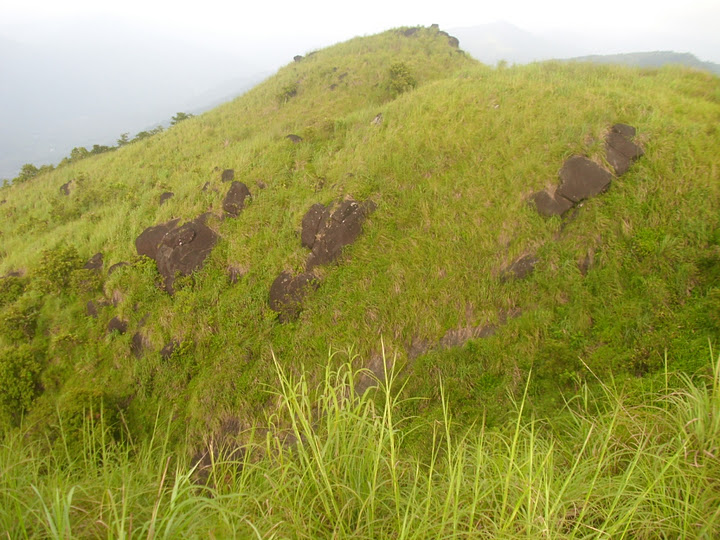


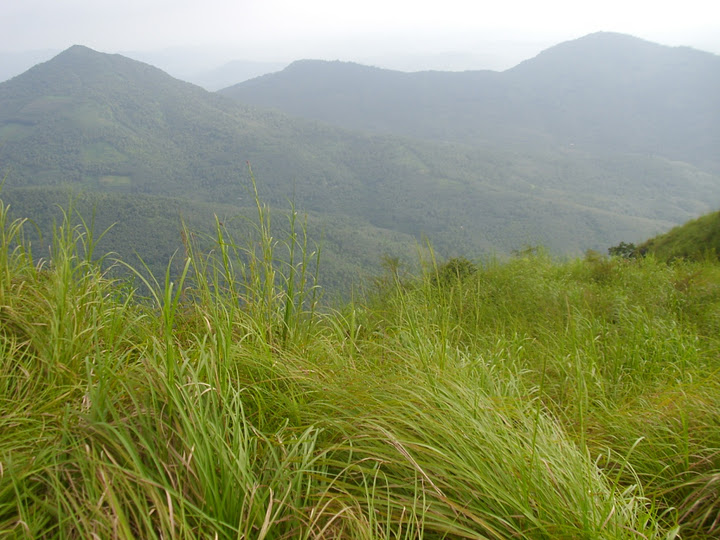


"Kottathalachi Mount"Kottathalachi Mount is a famous Christian pilgrim centre in north Kerala. It is located at around 2500 feet above the sea level. On Good Friday of 1958, the holy cross was installed at “Kottathalachi Mala” by Fr. Mathew Mannuramparambil. Since then the first Sunday after Easter is being celebrated here by thousands of pilgrims every year. At present there is road facility till the hill basin. Kottathalachi is known as the “Malayattoor of Malabar”......
Subscribe to:
Posts (Atom)